
KMI: The Origin Story, Part II
KMI: The Origin Story, Part II
Troy M. Morris, Co-Founder & CEO
4 minute read
Feature Presentation: KMI The Origin Story, Part II
> Bonus Feature > Commentary > Interview with the Director
[Roll audio. Roll Clip.]
TROY M. MORRIS (the Director): It turns out that writing a sequel is hard, and that is, and should be, a different narrative than the beginning of a story, even when the events are engaging with incredible people doing amazing things in wonderful places. In the beginning, the ideas are new, and the character roster is being filled out, but by the sequel, especially in the case of KMI, the story shifts to focus on the hard labor of completing the work. While I’m likely articulating an issue that has been elaborated on by endless authors, screenwriters, and other storytellers, it is a new challenge in recounting the latest chapter in our exciting company history.
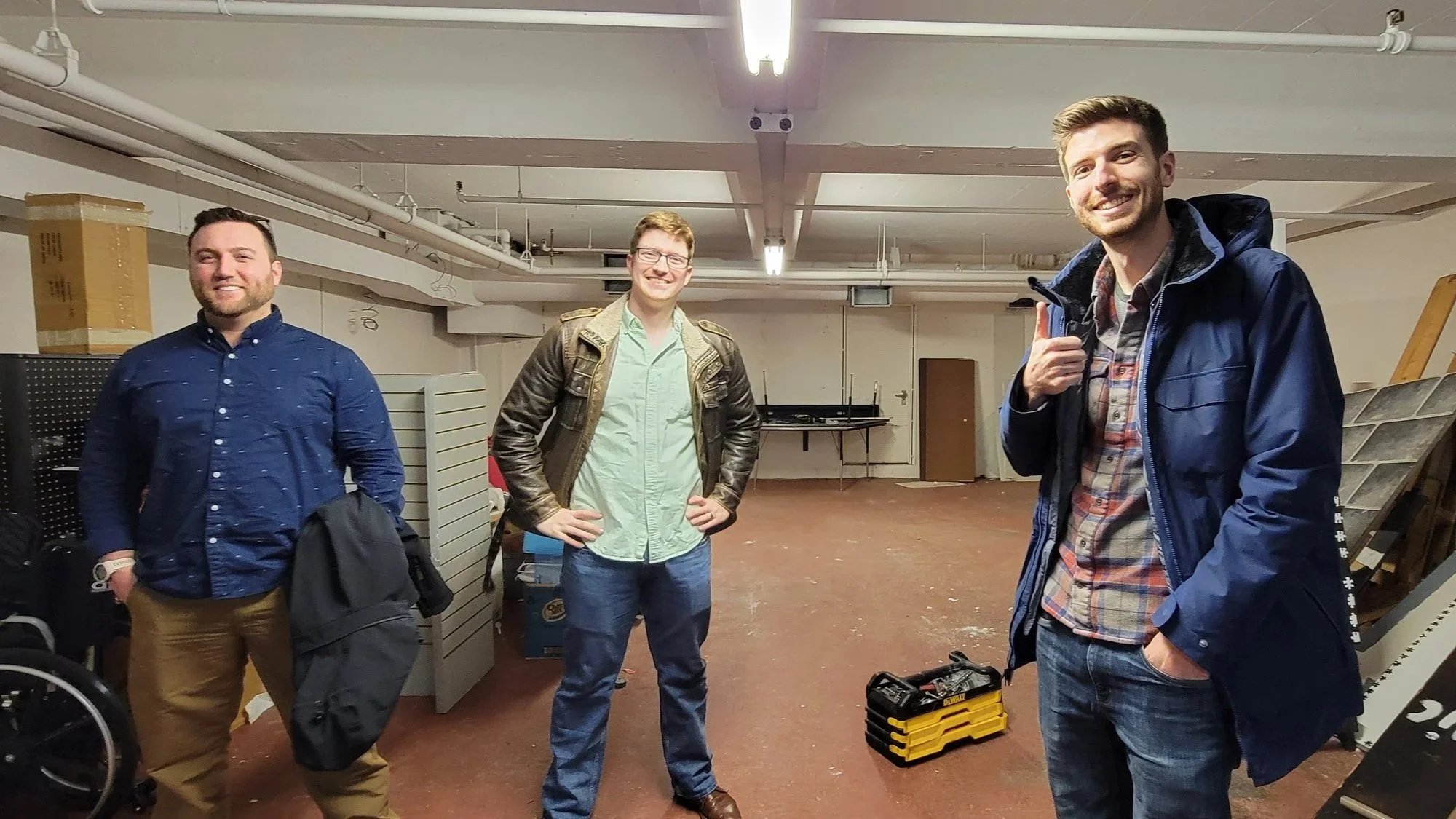
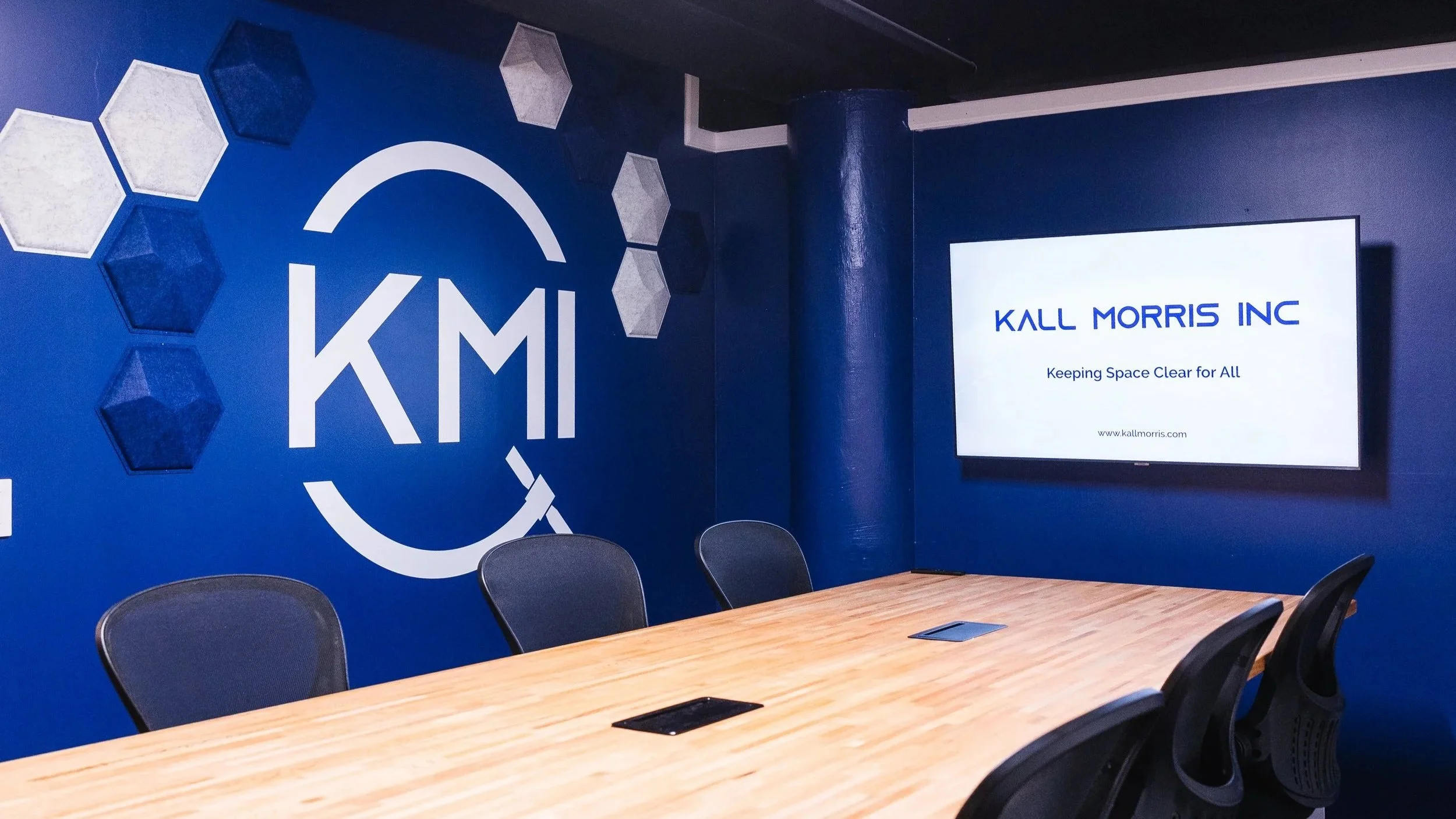
[Camera cuts to before and after of KMI headquarters]
When we last updated this column series, KMI had established our first facility, where we built our robust prototype for stellar testing, which returned to great celebration and new insights. Our journey thereafter carried similar elements to the origins of the company: hard work, hundreds of collaborative discussions, and the fresh perspectives needed to overcome industry challenges faced by all. In the beginning, the three co-founders worked with increasing passion and ever-growing assistance, from late 2019 until the first contracts became reality in mid 2021. Fortunately, regrouping for this next stage took less than half the time of the original founding, whether due to a lack of global pandemic headwinds or the momentum of organizational experience; I’ll let history judge.
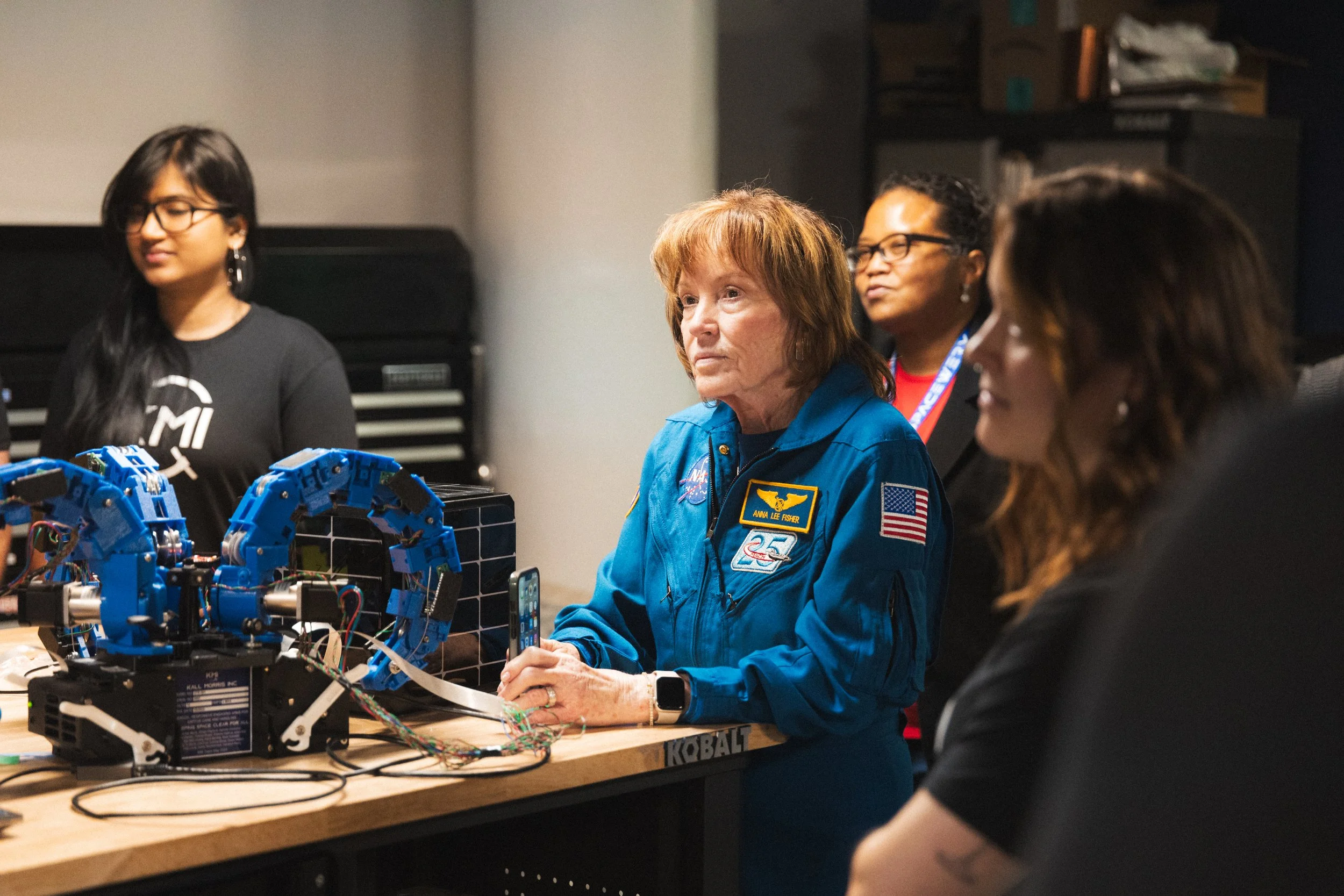
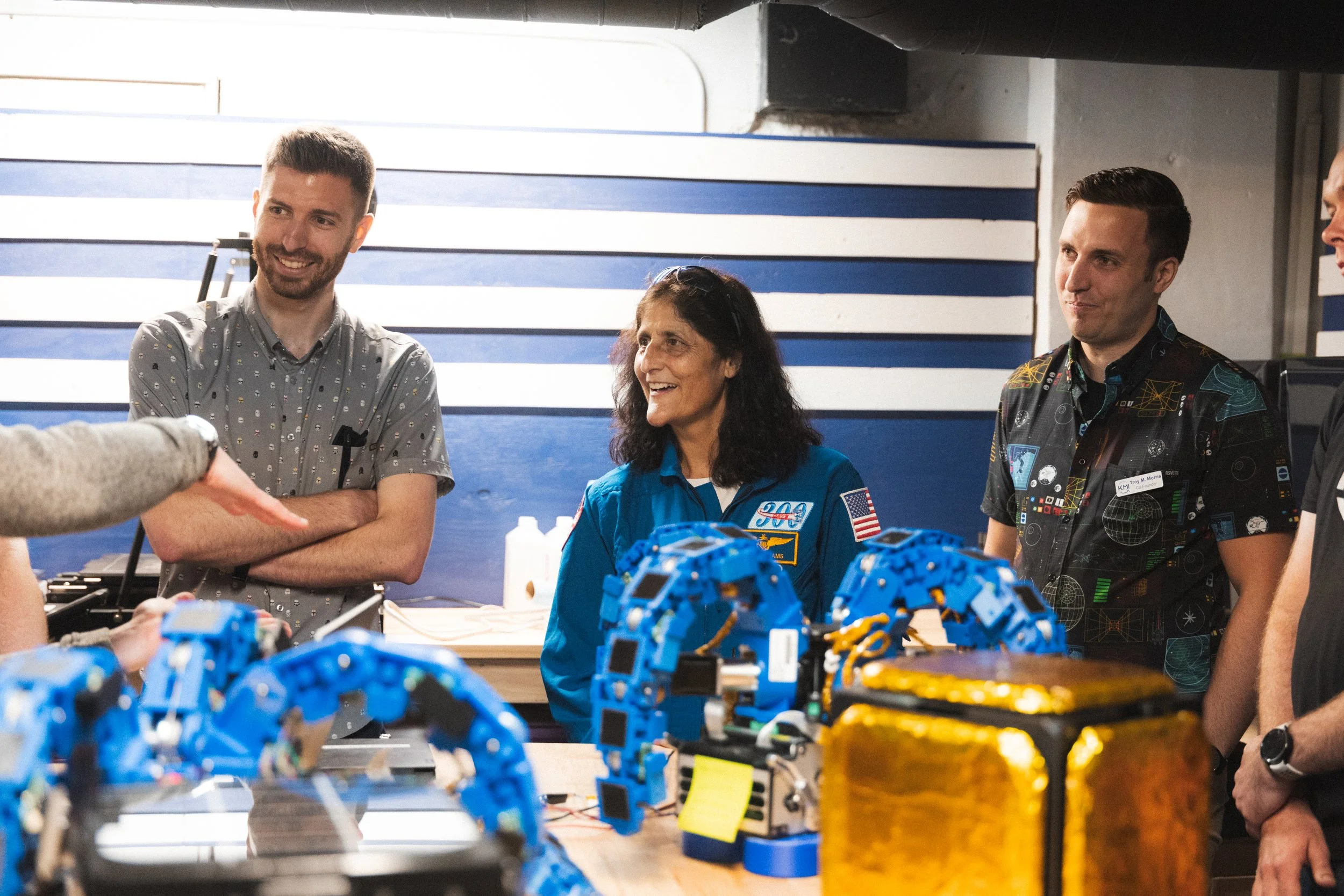
[Film flashes to Interior: KMI headquarters, Dr. Anna Fisher and Sunita Williams, former astronauts, visiting]
Instead, KMI roared out of receiving our materials returned from space, welcoming visitors from NASA, our team from HQ and across the nation, partners from the industry, investors, and important members of the Marquette, Michigan, and national ecosystems to our corner of the country. From there, KMI captured attention on stage in the larger region and our nation’s capital (+Venture North and FSL); invitational events on the East and West Coast, gathering audiences interested in investing and partnering with KMI (STIS and Payload SIS). We participated in key events and programs (Defense TC and Spacepower) while unique opportunities are still unfolding (Meet the Drapers and Orbital Edge Accelerator). Among the many miles, worthy of a montage, from the streets of Paris, the one and only Austin, TX, closer to home Detroit, MI, and the coasts of San Francisco and Los Angeles, CA, KMI grew the business and acquired partners to go from orbital demo to self-sustaining spacecraft missions. Along that journey, the team stayed together. In an industry with frequent turnover from staff shifting to new opportunities or moving within the vibrant public sector of national space agencies, the KMI staff established a work efficiency and culture that none wanted to leave, and where all could exceed the high expectations of the founders and demands of the timeline.
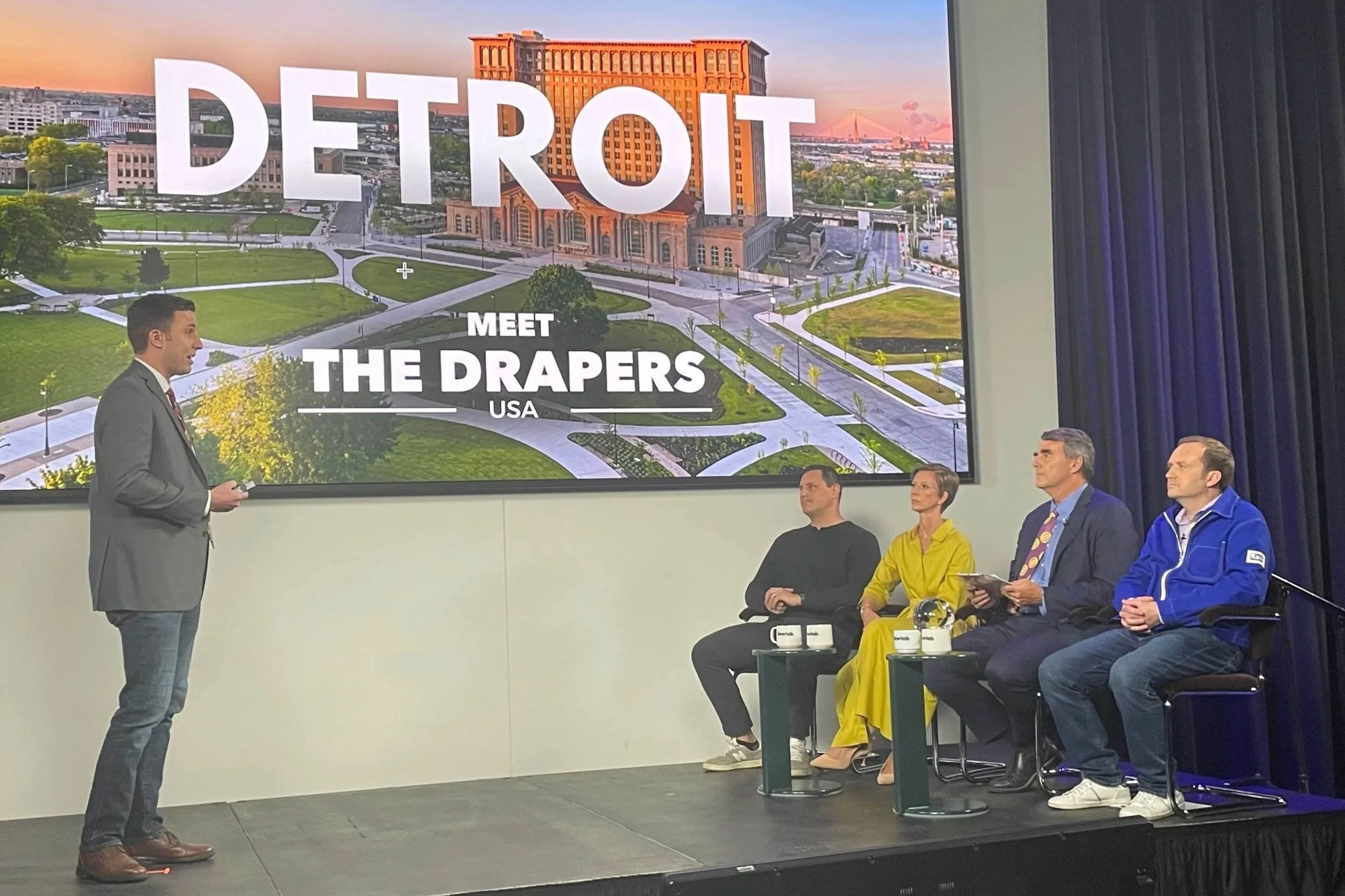
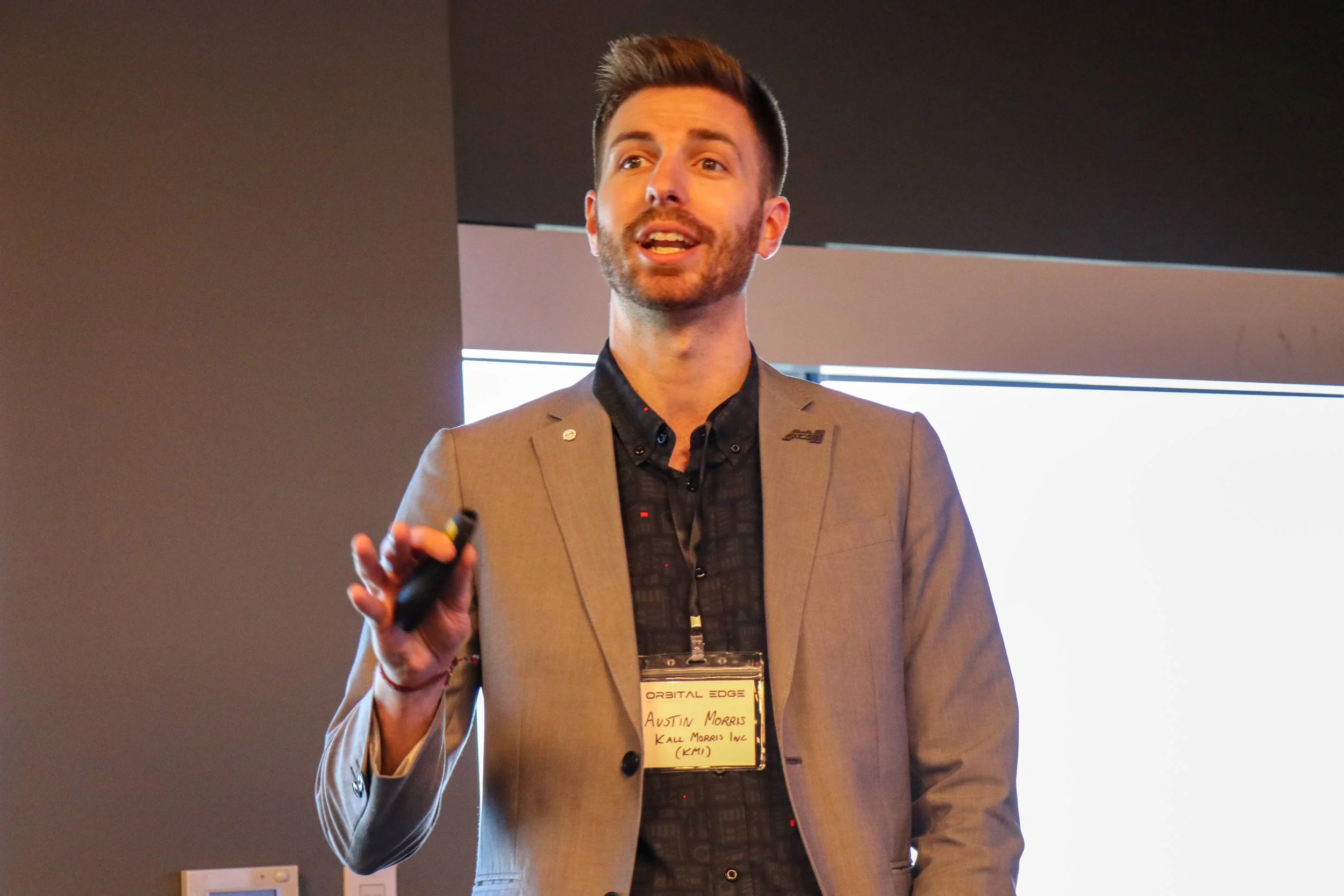
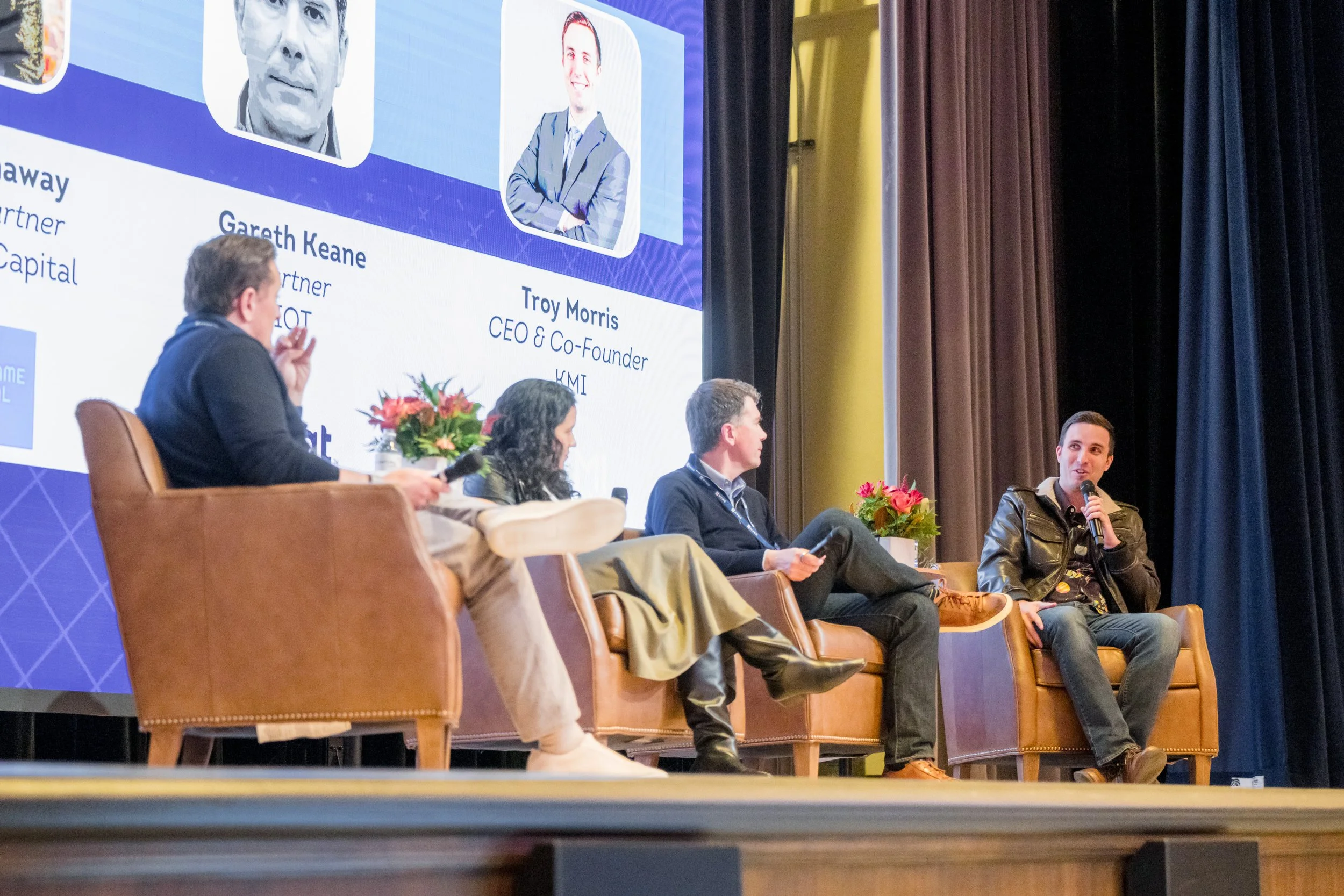
[Reel roles montage, speaking engagements and behind the scenes television feature with Troy M. Morris, Austin Morris]
At KMI, we have built not just an amazing suite of technologies, novel techniques, and advanced technical processes, but a fantastic team that can overcome any challenge together. This was true in the often unannounced and behind-the-scenes struggles of getting the REACCH experimental system onto the ISS, where our demonstrations didn’t just push the envelope, but completely rewrote testing limits for Astrobee. All of that vanished with the handoff, launch, and success after technical success.
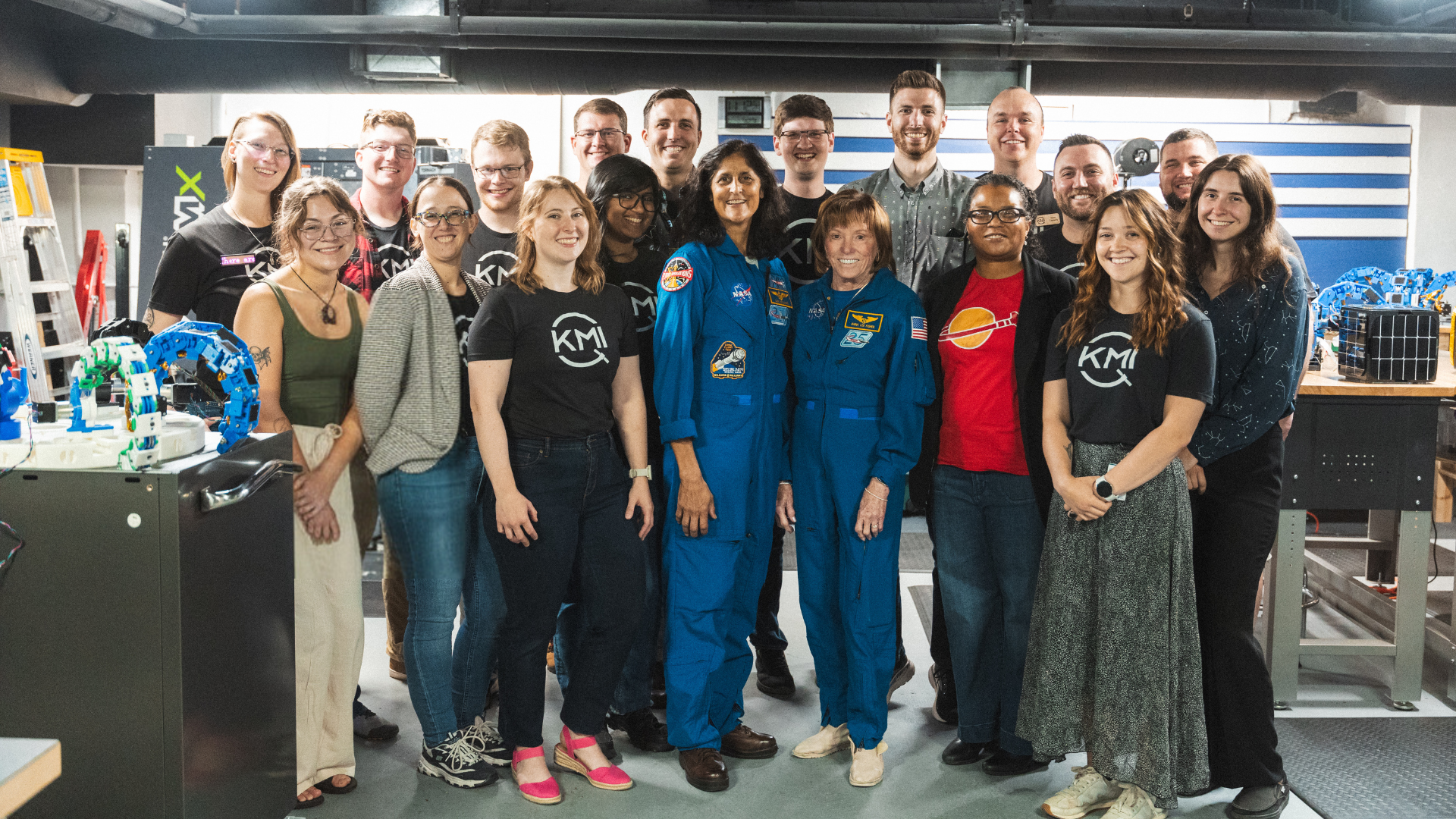
[Cut away from Troy to screen fill of KMI team circa 2025 with Dr. Anna Fisher and Sunita Williams]
In a fictional story, where the heroes were destined to succeed, the ISS testing would have been the key that unlocked all the necessary paths to success. To be sure, the test was noticed, and immediately, both government and commercial organizations started approaching KMI based on our unique capability. However, this story is not fiction, and without the deus ex machina of an author’s hand to clear the way, we faced challenges anew when the federal government entered multiple shutdowns starting in October 2025. Throughout the furloughs and resolutions, the critical SBIR Authorization also lapsed, leading to renewed conversations with partners and stakeholders to continue the programs essential for KMI, along with many thousands of small businesses. Many of these small businesses, caught off-guard by the longest government shutdown in US history, silently closed their doors in 2025 and early 2026.
Among these challenges, our team connected with legislators and operators, investors and advisors, and through it all, kept key partners informed so that when a critical bill became law, surprisingly signed in the evening before the National Space Symposium fully opened, KMI was breaking the news to many. Breaking critical information to not just our partners in government and commercial colleagues, but also industry press, helped validate that throughout the process, our people were well positioned and pushing in the right ways.
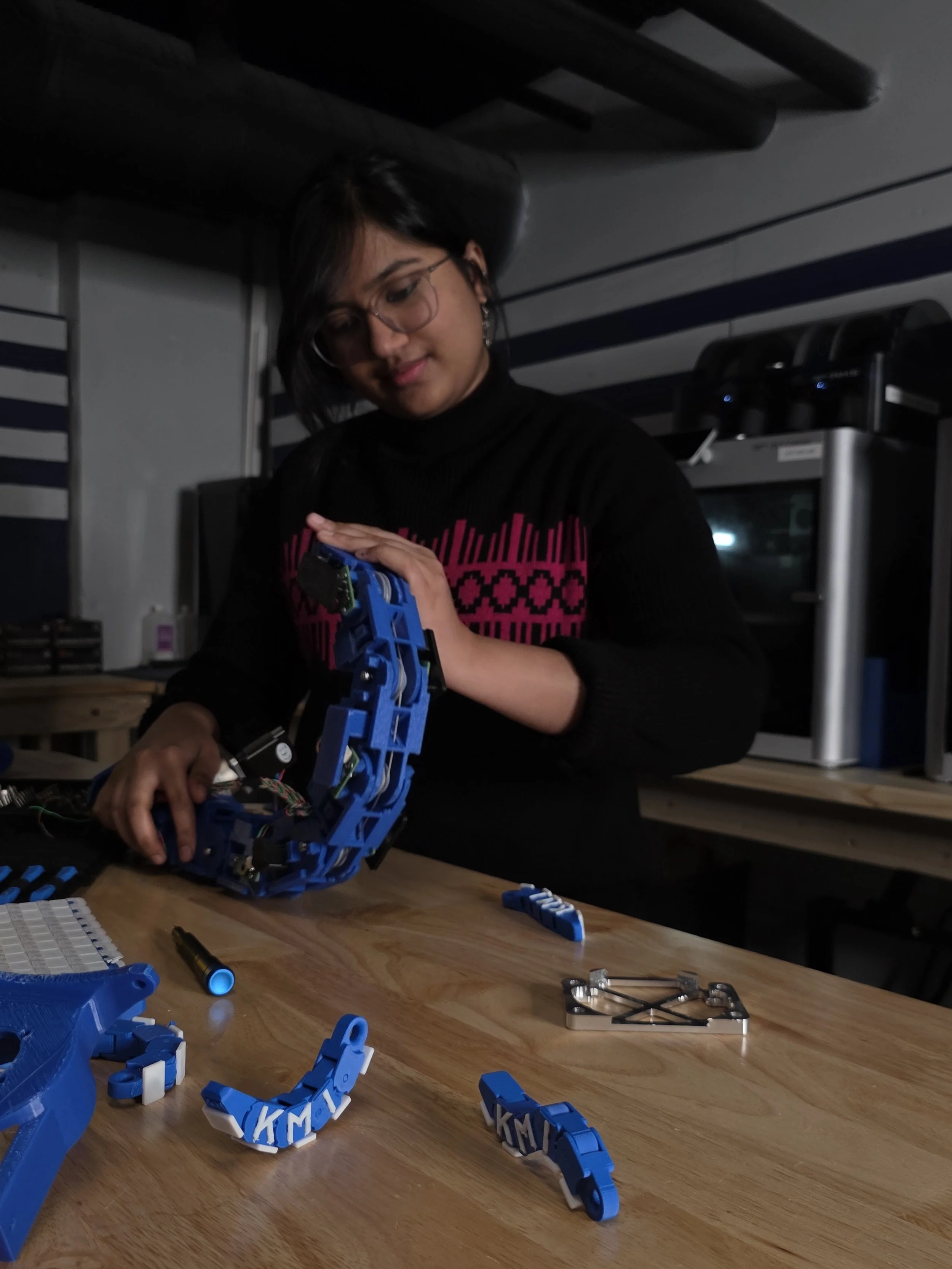
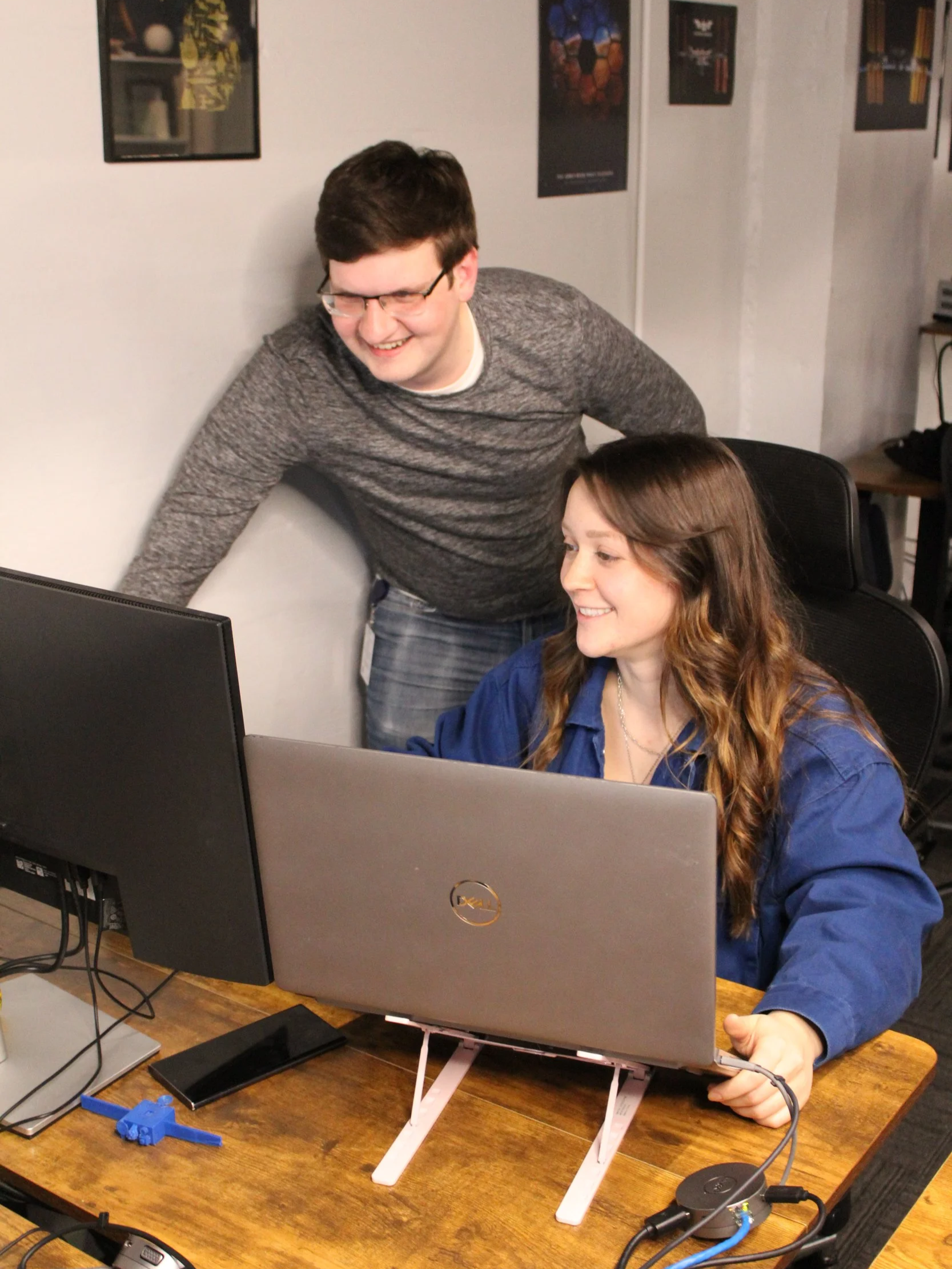
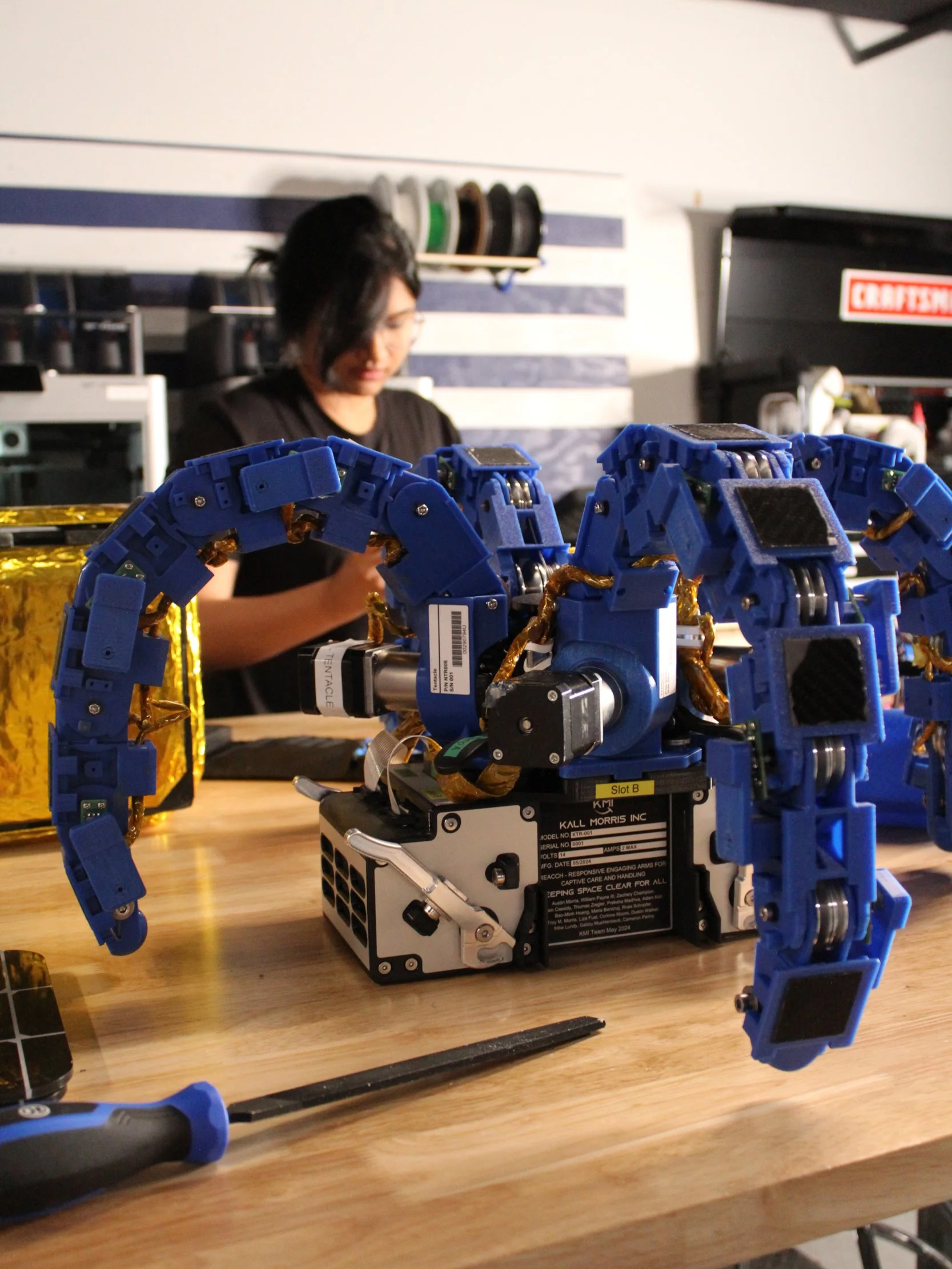
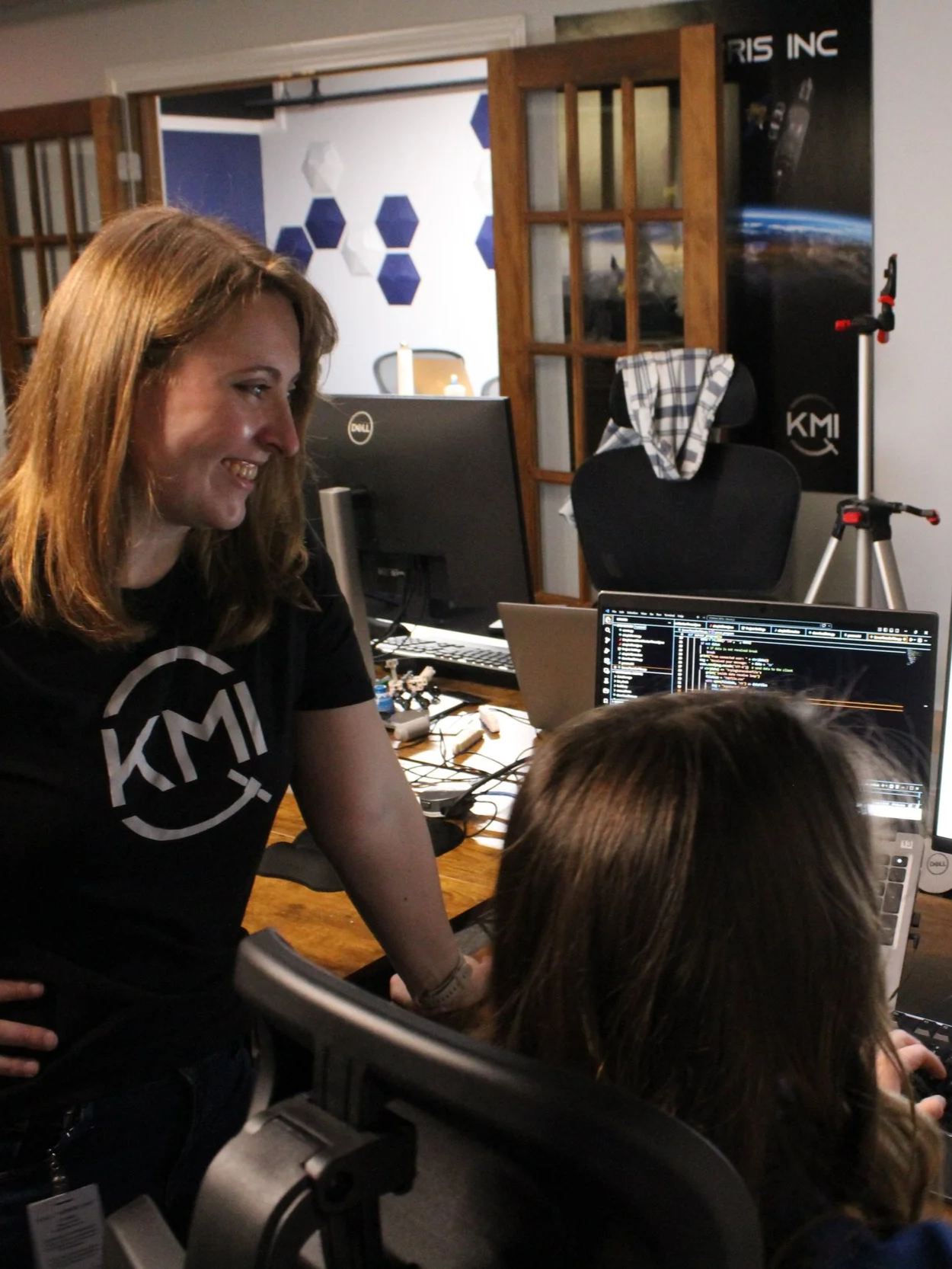
[Montage rolls: Preksha Madhva in lab; Rose Schopfer and Adam Kall coding; Preksha Madhva - still in the lab; Liza Fust and Rose Schopfer conducting quality control]
[Cut back to close up on Troy M. Morris]
TROY M. MORRIS (the Director): From that small business innovation research reauthorization becoming law, and many further calibrations with customers and partners in the time since, KMI took the time before and through these delays as the classic training montages from the movies. Hard work was put into background aspects others might never notice, but which strengthened the core capabilities and messaging for a startup company that, years ago, many doubted could ever operate with space agencies. Today, KMI is a partner of choice for multiple aerospace companies, government organizations, and often a specific invitee for national and international collaborations.
After the publication of this KMI column, we hope to be able to share even more on the in-space missions we’ve been selected to complete. These multiparty agreements and opportunities are many years in the making, combining the best technical, policy, and strategic partners from across the country, building capabilities that we can all stand proud of.
While I started this by claiming, fairly, I think, that sequels are hard, it’s much easier to share this update with our audience. When we finally wrap up this first trilogy, it will be all the sweeter as we fulfill our long-standing motto: Keeping Space Clear for All.
[Fade to countdown clock]
Recommended column to read next: A Year With KMI
